Viking Gift-Giving Traditions: A Summary
Gift-giving held sacred importance in Viking society. Norse gifts functioned as more than simple presents because they established permanent connections between people through loyalty and honor and duty. The Viking term "gipt" served as a dual word which represented both gifts and marriage because they placed great importance on these transactions.
Arm Rings: The Ultimate Symbol
Arm rings stood as the most significant Viking gifts. Chieftains gave these metal bands to warriors as tangible representations of their oaths. The social hierarchy was displayed through silver rings, but gold rings represented the highest status, and bronze rings signified clan membership. Leaders who distributed rings achieved the highest level of loyalty from their followers because this practice created a core value that produced maximum military strength.
Wedding Exchanges
Viking weddings centered on strategic gift-giving. The morning gift (morgen-gifu), worth one-third of the dowry, proved the groom's ability to provide. Families exchanged ancestral swords – the groom's for future sons, the bride's representing her father's protection, transferred to her husband. The political alliances between nations manifested through steel-based agreements instead of romantic relationships.
Yule and Battle Rewards
The Vikings gave practical presents to each other during Yule's twelve days which included tools and warm clothing and carved toys and drinking horns. People used the gifts to maintain their relationships with others throughout the difficult winter months. The distribution of spoils followed successful raids according to the merit of each chieftain. The warriors who demonstrated the most effort in battle received the most valuable shares of weapons and silver and fabrics and land ownership. The system provided recognition for bravery while maintaining member dedication to the organization.
Sacred Oaths and Friendship
Vikings swore oaths on special rings, often invoking the god Ullr. The violation of these vows resulted in two possible consequences, which were social banishment or execution. People used to give each other gifts that included Wunjo and Gebo bind runes, carved amulets, and matching arm rings. These created soul bonds between individuals.
Key Occasions
Vikings gave gifts at births, coming-of-age ceremonies, marriages, victory feasts, Yule celebrations, death rites, peace treaties, and oath ceremonies. Each situation needed its own distinct set of rules.
Rules and Legacy
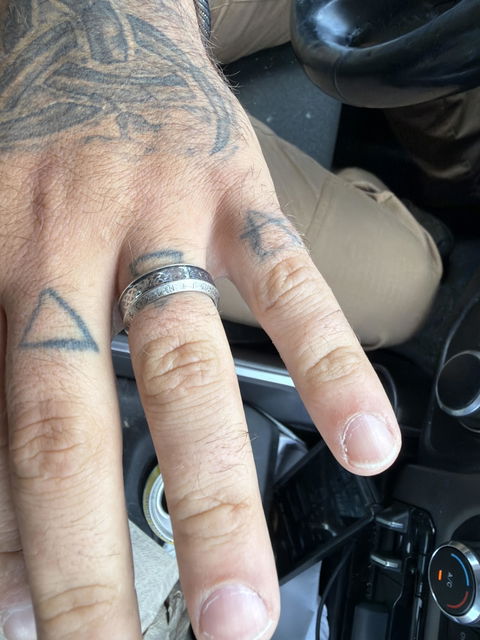
People in Viking culture needed to receive every gift they received and then exchange it with something of equal or higher worth while showing appreciation through respectful acknowledgment in front of others. The complete social exclusion happened because of the violation of these rules. The tradition continues to exist in modern times. Wedding rings echo Viking arm rings. Business deals mirror Norse negotiations. Human beings continue to require symbolic exchange for establishing connections with others. Vikings simply did it with more style – and definitely more swords. The gift exchange system established a community that showed promises by exchanging presents, formed alliances through transactions, and demonstrated loyalty through the use of arm bands.