
Bardcore: How Medieval Vibes, Norse Aesthetics, and Modern Culture Created a Viral Sound
At its core, Bardcore blends modern music with medieval, folk, and often Norse-inspired aesthetics—an overlap you can see clearly in clothing, artwork, and performance style.

Bardcore took the internet by surprise: suddenly, pop hits sounded like they were being sung in a smoky mead hall or a stone-walled tavern. Lutes replaced synths, frame drums replaced 808s, and lyrics about clubs and cars were reimagined for kings, plagues, and castles. At its core, Bardcore blends modern music with medieval, folk, and often Norse-inspired aesthetics—an overlap you can see clearly in clothing, artwork, and performance style.
Key Takeaways
| What is Bardcore? | Bardcore is a style of music that reinterprets modern songs using medieval-inspired instruments, modes, and lyrics, often paired with historical or fantasy visuals. |
| Why did Bardcore become popular? | It exploded on YouTube and social media during lockdowns, offering escapism, humor, and a nostalgic-fantasy feel that dovetailed with interest in Vikings, knights, and historical reenactment. |
| How is Norse/Viking style connected to Bardcore? | Many Bardcore creators and fans draw on Viking and medieval Northern European aesthetics—tunics, cloaks, shields, and runes—to visually match the sound, similar to the looks found in authentic Norse clothing collections. |
| What instruments define the Bardcore sound? | Lute, harp, recorder, wooden flutes, hurdy-gurdy, hand drums, and simple string drones are common choices, mimicking medieval and folk ensembles. |
| How do visuals and clothing affect Bardcore performances? | Costuming with tunics, cloaks, belts, and period-style accessories helps performers look like bards, shield-maidens, or traveling storytellers, making the experience more immersive. |
| Can Bardcore be performed live? | Yes. Bardcore arrangements work well at medieval fairs, LARP, and historical festivals, especially when combined with appropriate garments and props. |
| Is Bardcore historically accurate? | Usually not strictly. Bardcore is more about playful historical flavor and atmosphere than exact reconstruction, though some creators do research medieval scales, instruments, and clothing. |
1. What Bardcore Actually Is: From Meme to Musical Microgenre
Bardcore is the practice of reshaping contemporary music—pop, rock, hip-hop, even EDM—into something that sounds like it could be performed by a wandering bard in a medieval tavern. That shift usually involves acoustic instruments, modal harmonies, and creative lyric rewrites that swap modern references for archaic imagery.
Early viral Bardcore tracks often used royalty-free medieval loops and pseudo-Latin vocals over images of illuminated manuscripts or fantasy warriors. Over time, the style matured: many creators now record real instruments, study medieval modes, and coordinate their visuals with historically inspired clothing and props to match the sound.


2. Why Bardcore Feels Medieval (Even When It Isn’t)
Bardcore is less about strict authenticity and more about evoking a shared mental picture of “medieval”: stone circles, cloaked figures, flickering torches, and runic carvings. Visuals like a lone priest-like figure performing in an ancient site match what many listeners imagine when they think of a Bardcore performance.
This aesthetic often borrows from Norse and broader Northern European imagery—hooded cloaks, simple tunics, leather belts, and rustic landscapes. The combination of minor keys, droning notes, and echoing reverb reinforces that impression of age and mystery, even when the underlying song is a recent chart hit.


3. Norse and Viking Aesthetics in Bardcore Culture
A striking subset of Bardcore leans heavily into Viking imagery. That can mean lyrics that reference longships and mead, or visuals that echo sagas: warriors in mail, shield-maidens, and landscapes that look like coastal Scandinavia. Even when the music itself is pan-European medieval, the look often skews Norse.
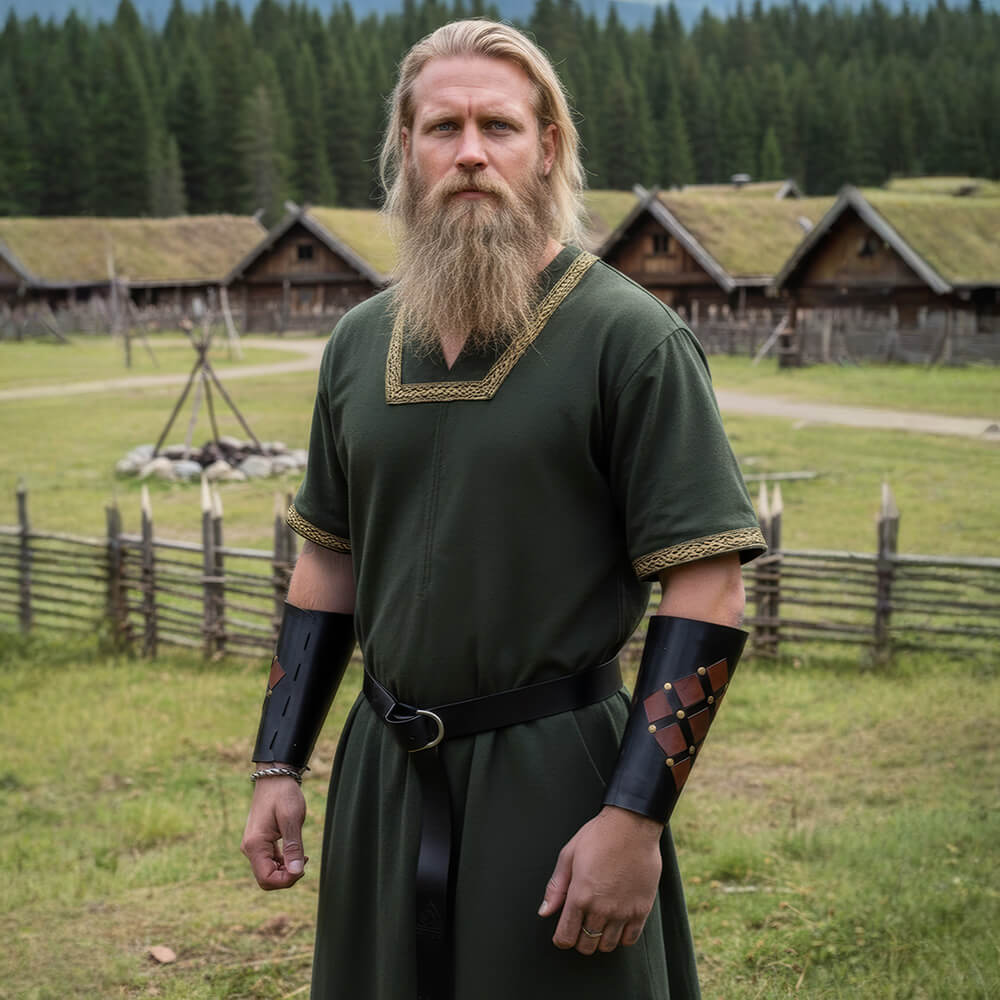
For creators and fans, Viking-inspired clothing helps sell the illusion of a bard singing in a longhouse. Tunics, belts, and cloaks in earthy colors make a strong on-camera impression, especially when contrasted with modern backdrops like apartments or city parks, creating the playful anachronism that Bardcore thrives on.
4. Dressing Like a Bard: Clothing Ideas for Bardcore Performers
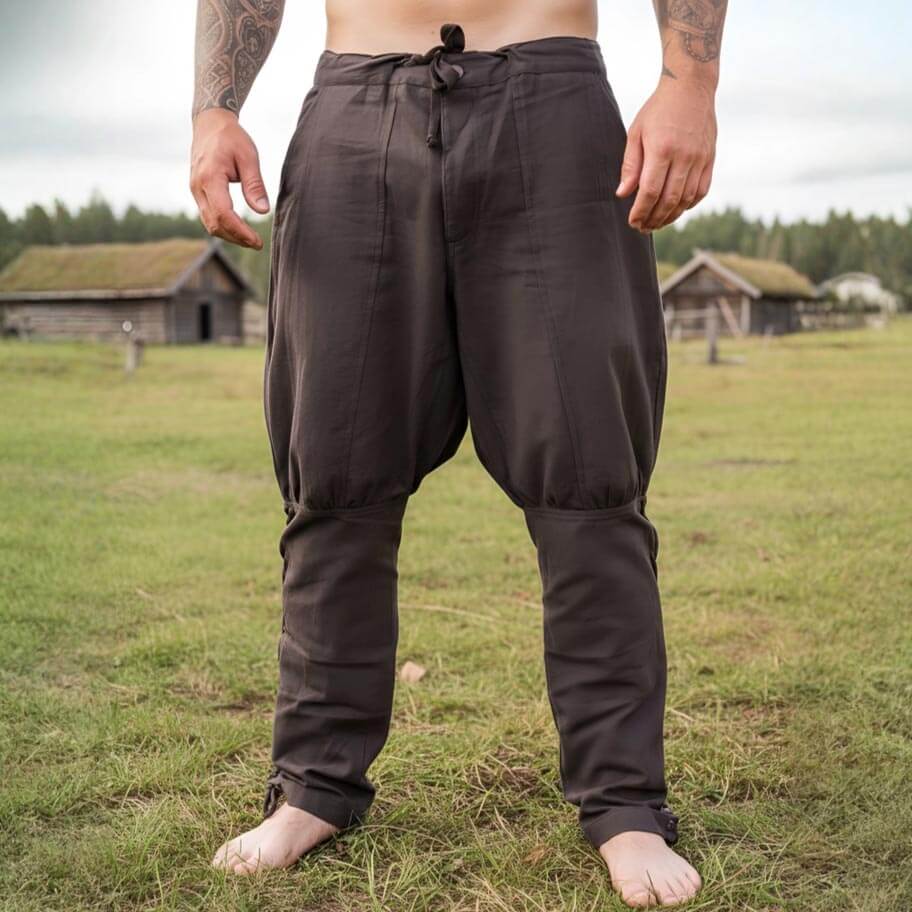
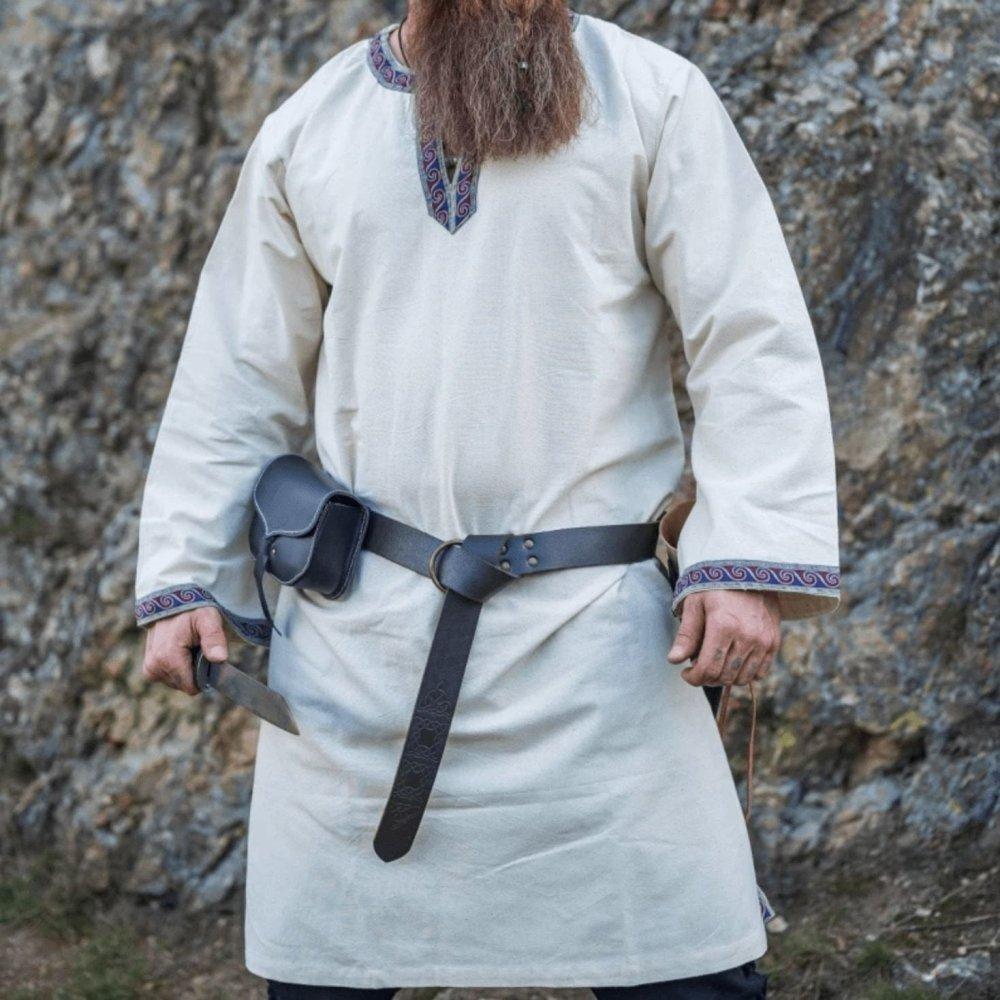
For anyone recording Bardcore covers, visual presentation matters almost as much as the audio. A simple way to look like a convincing bard is to start with a tunic, add a belt, and choose trousers without obvious modern details like cargo pockets or visible logos.
Many performers opt for pieces styled after Viking or early medieval garments because they read “historical” on camera without needing full armor or complex layering. Natural fibers, muted colors, and minimal hardware help the audience focus on the music while still feeling transported to another time.
5. Viking-Inspired Tunics as Bardcore Stagewear
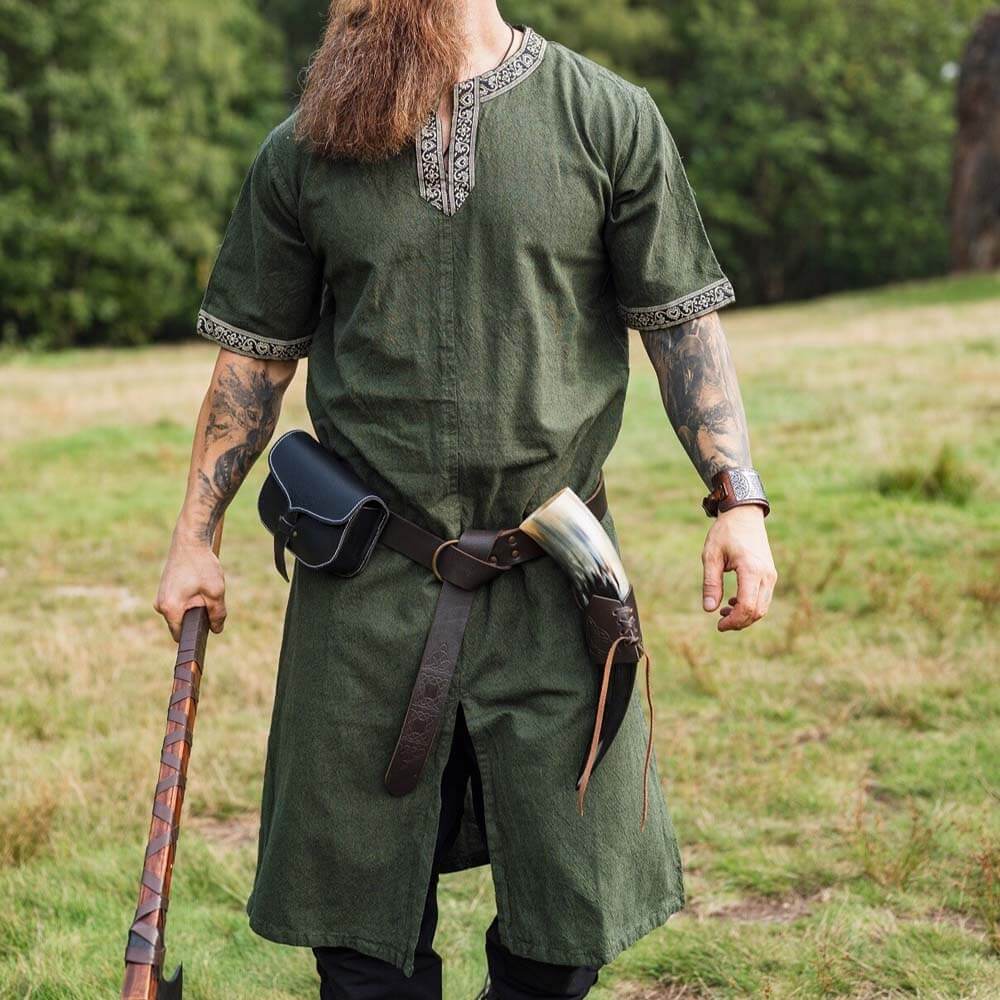
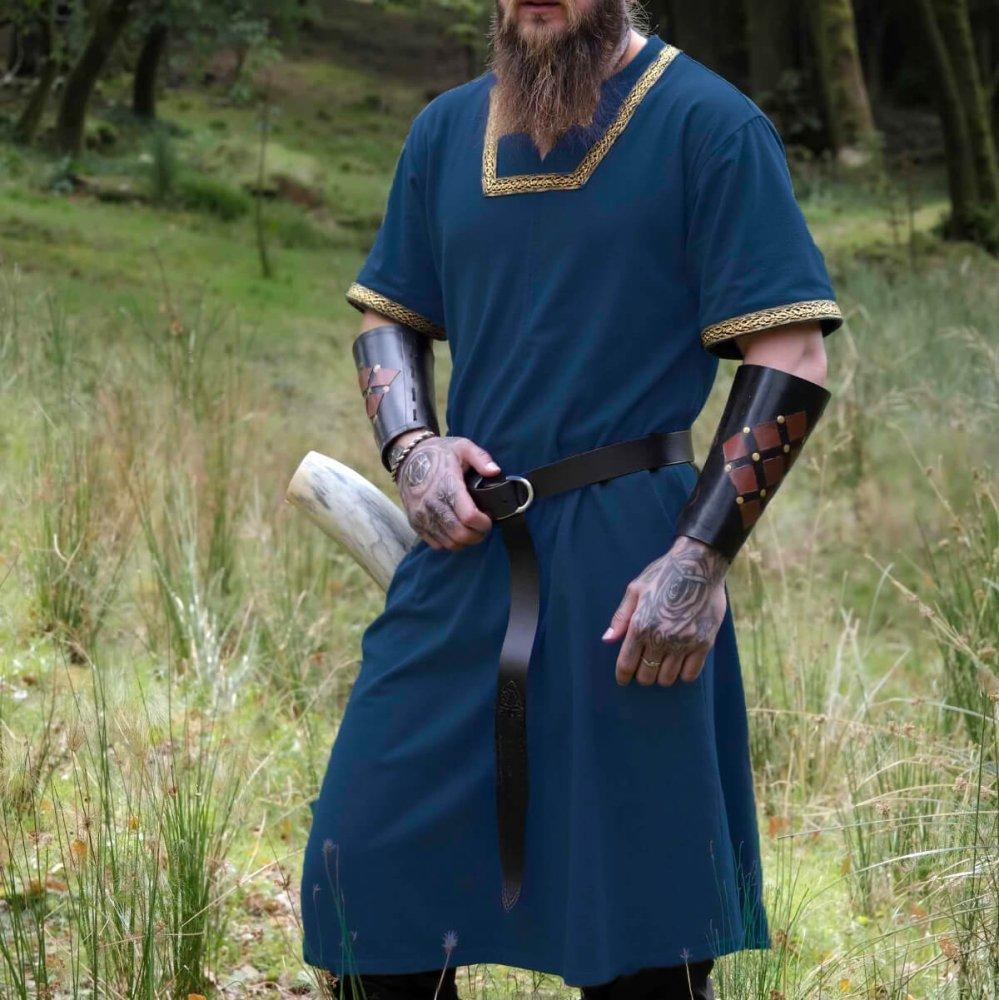
Tunic-style tops are a natural fit for Bardcore musicians because they echo both Norse and generic medieval silhouettes. Short-sleeved designs are comfortable for indoor recording, while long-sleeved or wool versions make sense for outdoor shoots in colder climates and add a more serious, saga-like tone.
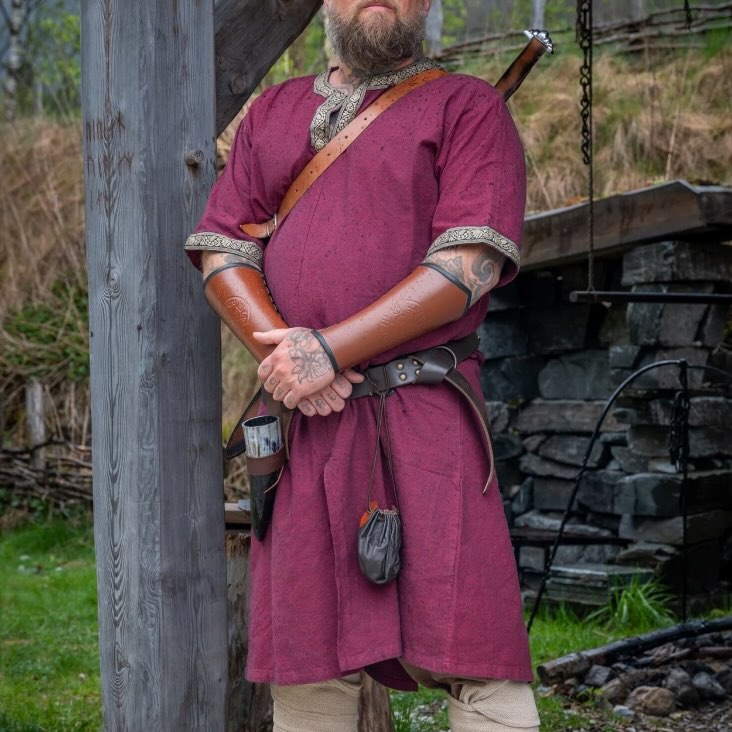
Some tunics borrow status cues from historical clothing by adding embroidered borders or contrasting trims. For a Bardcore performer, those details can hint that the bard is attached to a noble court or warband, not just an anonymous peasant, which can subtly shift the narrative behind a song’s video.
6. Building a Bardcore Wardrobe: Layering Cloaks, Vests, and Accessories
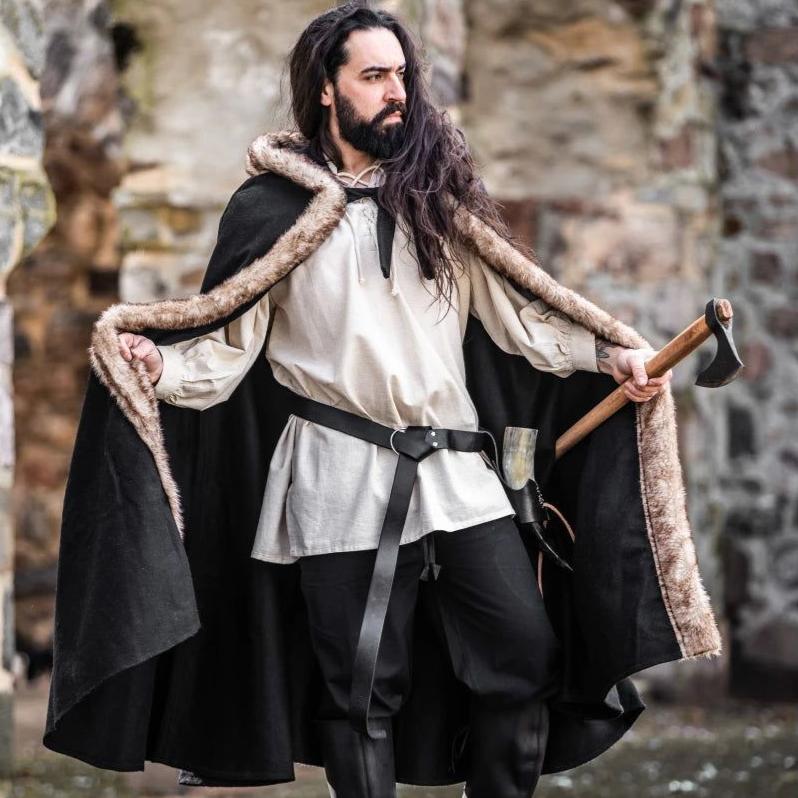
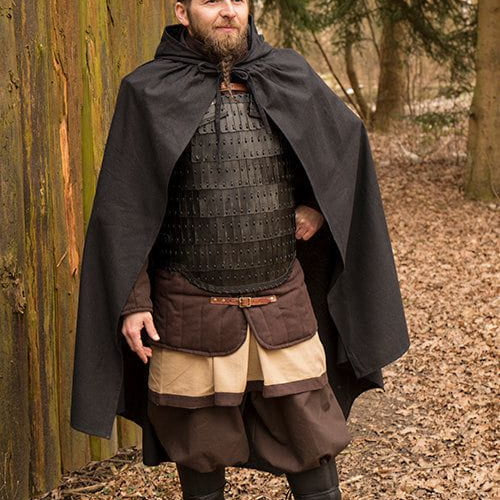
Bardcore visuals benefit from layers. A basic tunic-and-trousers combo looks much richer on camera with a cloak, sleeveless vest, or visible leg wraps. Layers move as you play, which adds motion and texture to otherwise static shots of someone singing or playing a lute.
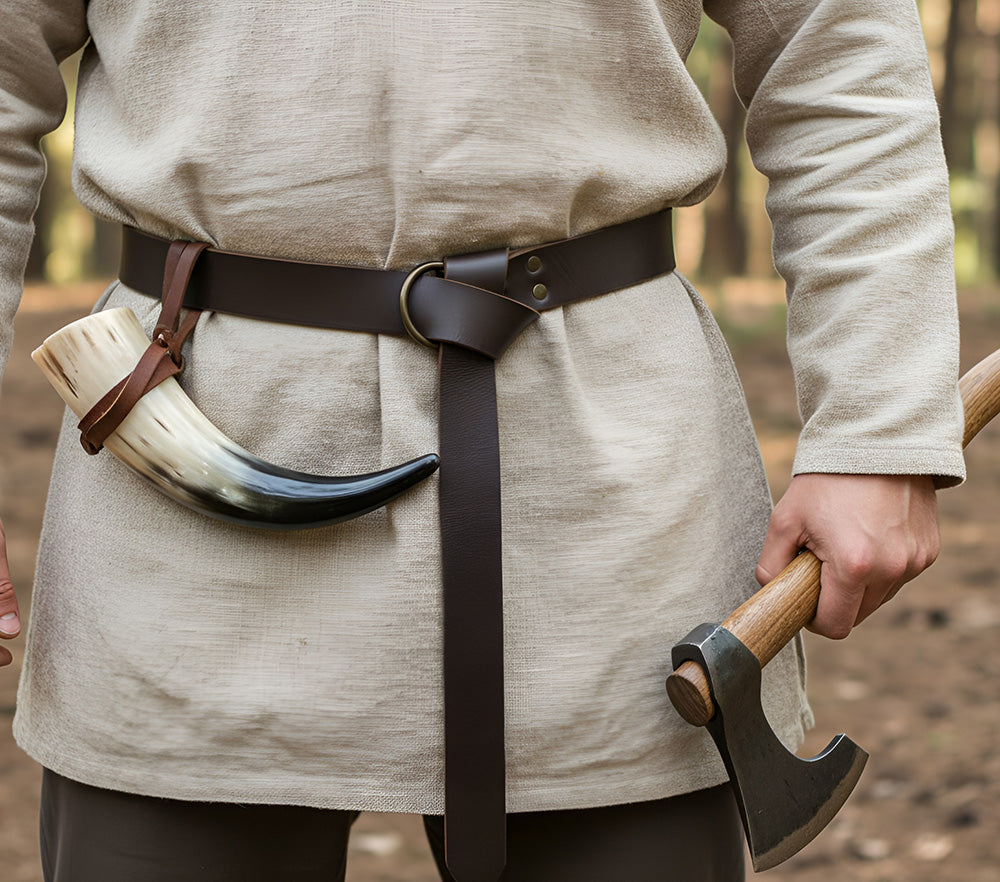
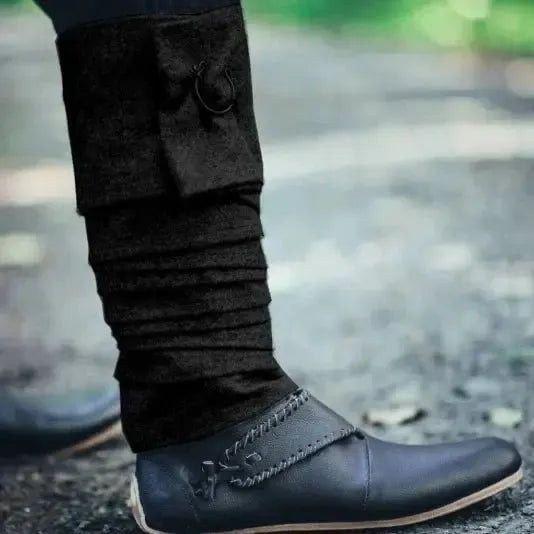
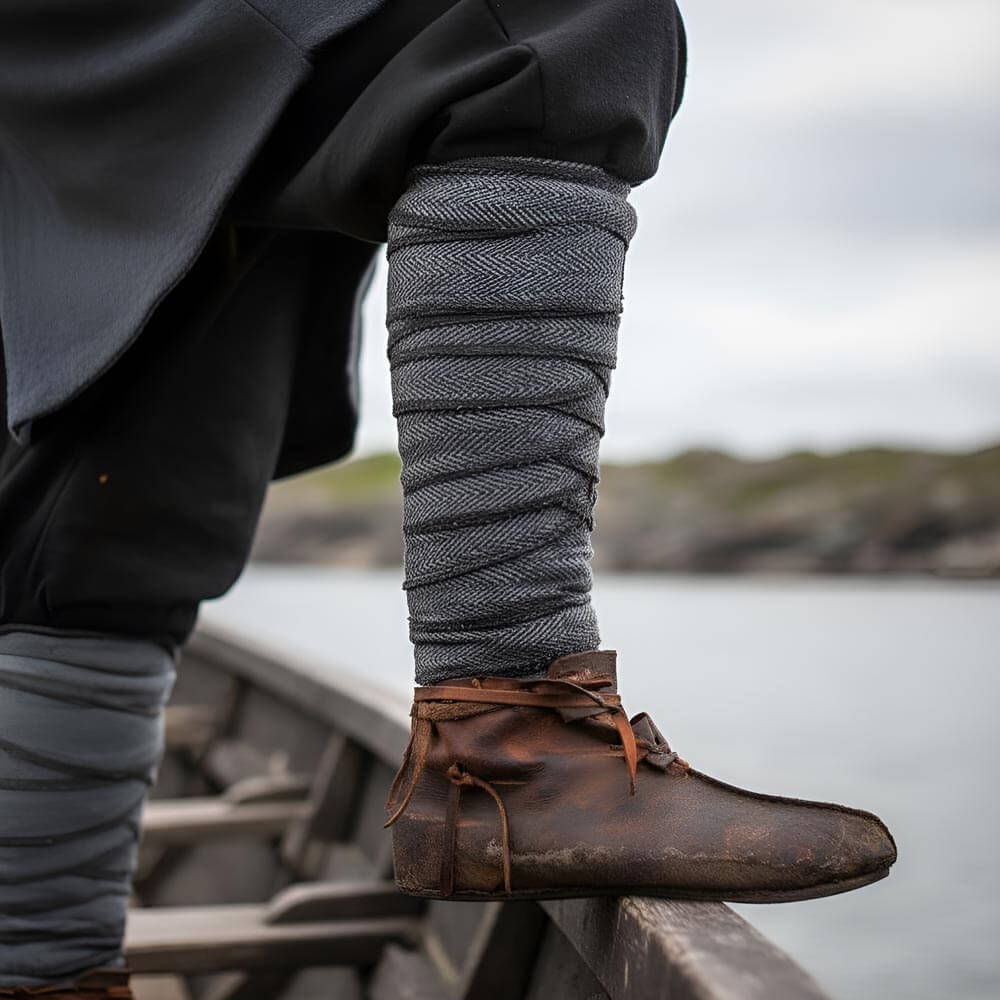
Simple accessories like belts, calf wraps, and greaves can suggest a traveling bard who also knows how to defend themselves—a theme that aligns well with Norse sagas and stories of warrior-poets. They also introduce contrast and structure, helping garments hang better while you sit or stand to perform.
7. Props, Shields, and Stage Dressing for Bardcore Videos
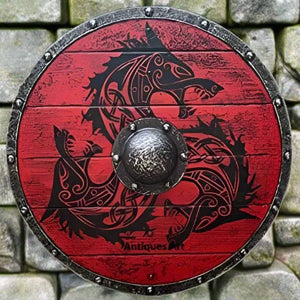
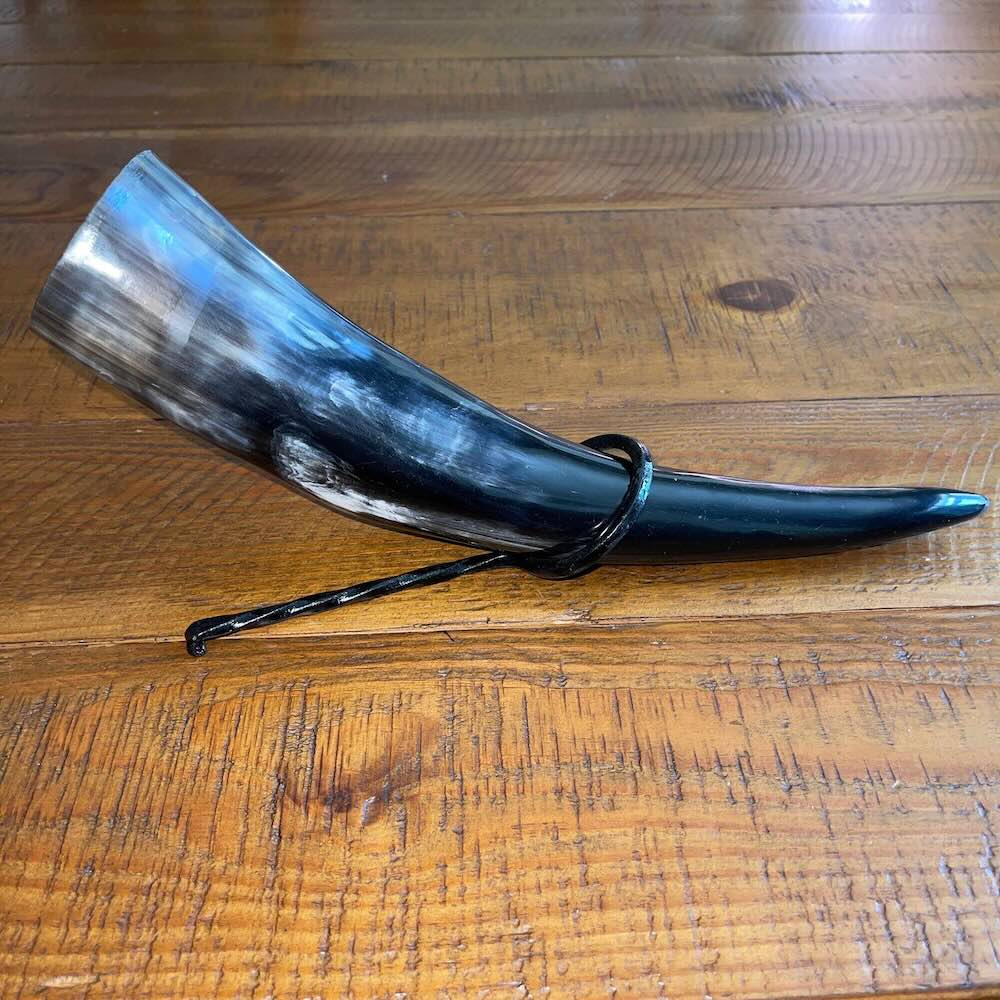
Not every Bardcore performance needs props, but a carefully placed shield, horn, or axe in the background can reinforce the medieval-Norse setting. These items build a believable environment: the viewer feels like the bard just set aside their shield to perform a lament or a drinking song.
Shields with mythological motifs tie particularly well into Bardcore tracks that draw on darker or more epic themes. A design featuring Fenrir, for example, echoes songs about fate, doom, or rebellion, themes that show up regularly when modern lyrics are recast in a saga-like voice.
8. Comfort vs. Authenticity: Practical Tips for Bardcore Outfits
Recording Bardcore at home or outdoors can involve long sessions, so comfort matters. Historically inspired clothing often uses looser cuts and natural fibers like cotton or wool, which are forgiving under hot lights or during repeated takes. That balance lets you keep the medieval or Norse silhouette without sacrificing ease of movement.
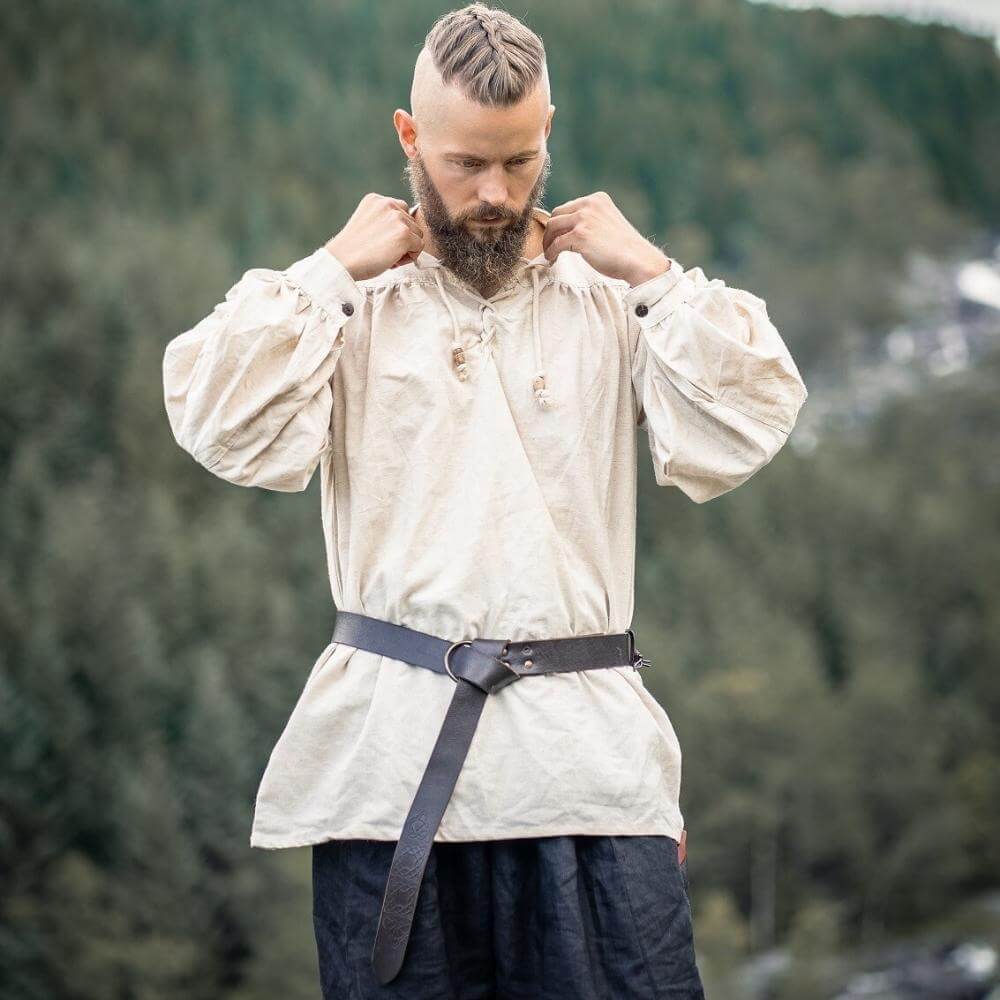
Pieces such as long-sleeved tunics with lace-up collars are especially practical. You can adjust the neckline for temperature and wear them on their own or under cloaks and vests when you want a more layered, bardic look for specific videos or live performances.
9. Color, Mood, and Character: Matching Bardcore Songs to Outfits
Different Bardcore tracks call for different visual moods. A melancholic ballad may suit dark blues, greys, and blacks, while a drinking song or playful cover might work better with warm browns, greens, or even reds. Color choice helps the audience feel the emotional tone before you play a note.
Tunics and cloaks in strong primary or jewel tones—deep blue, forest green, wine red—create a clear silhouette on camera and read well against outdoor landscapes. They also help distinguish “characters” if you portray different voices or roles in your Bardcore videos, like a noble, a wanderer, or a skald.

10. From Screen to Stage: Bardcore at Fairs, Festivals, and Gatherings
Many fans discover Bardcore online, but the style translates naturally to in-person events. Medieval and Renaissance fairs, Viking festivals, and historical markets all welcome acoustic performances, and Bardcore arrangements fit right alongside traditional folk repertoire as long as lyrics and arrangements match the setting.
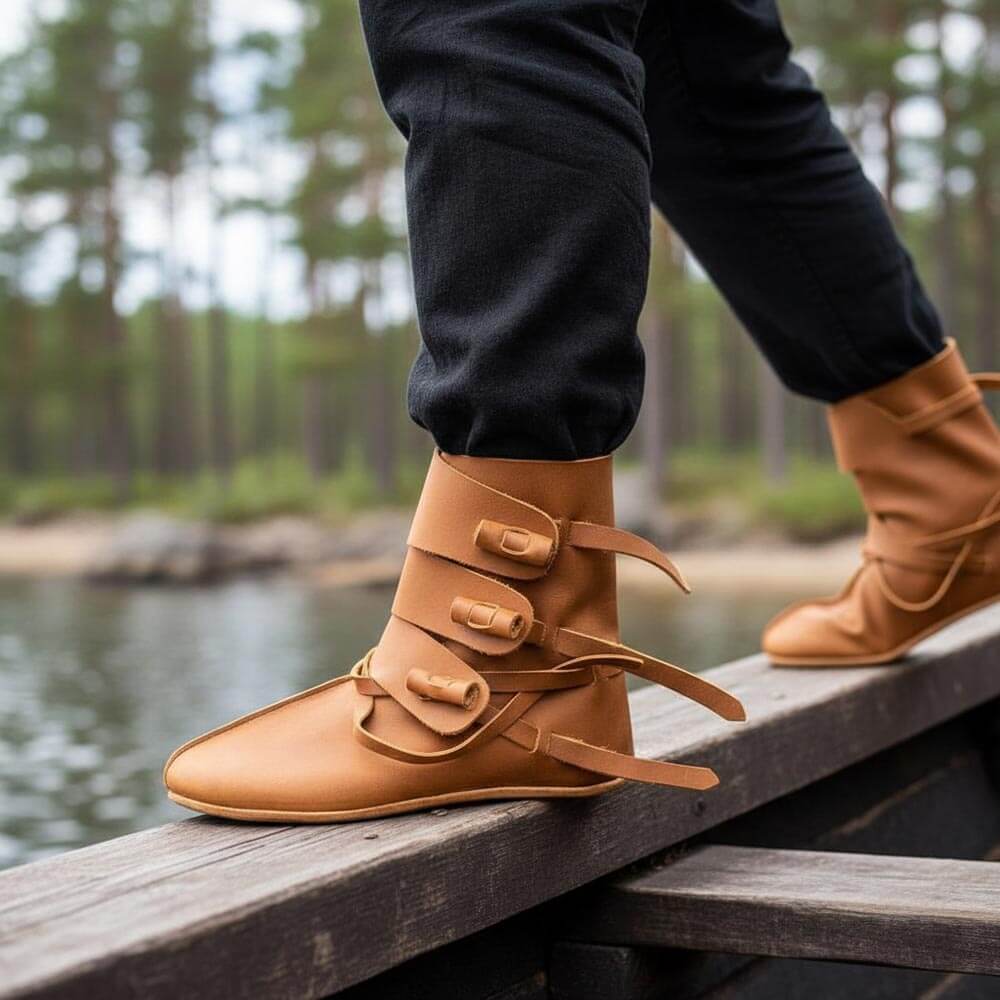
For live shows, sturdy fabrics and layered outfits help you look the part through changing weather and long days. Practical additions like leg wraps and comfortable, era-inspired shoes make it easier to move between stages, join jam sessions, or interact with visitors without breaking the Bardcore illusion.
Conclusion
Bardcore began as a playful experiment in turning modern hits into tavern-ready tunes, but it quickly grew into a recognizable microgenre with its own look and feel. The combination of acoustic, medieval-sounding arrangements and Norse- or medieval-inspired visuals gives creators a huge palette to work with, from melancholic ballads to raucous drinking songs.
Whether you are a listener, a content creator, or a live performer, understanding how sound, clothing, and props work together will help you appreciate Bardcore more deeply. A simple tunic, a cloak, and a few carefully chosen background pieces can turn an ordinary cover into something that feels like it belongs in a saga—bridging the gap between the digital present and an imagined medieval past.


