Authentic Men's Viking Clothing
Viking men dressed in layers built for hard weather and harder work. The foundation was a wool or linen tunic, cut wide and worn to the knee, gathered at the waist with a leather belt. Trousers laced at the ankle, a cloak fastened with a brooch for the cold, and leg wraps when the ground turned to mud. It was a practical system — and one we've spent years sourcing and curating faithfully.
Everything in this collection is handmade and built around that layered Norse wardrobe. Our Viking tunics come in linen for summer festivals and warmer climates, and wool for winter events and the most historically accurate feel. Because each piece is made by hand, you'll see small variations from one to the next — the same way you would have a thousand years ago.
Whether you're assembling a reenactment kit for the 8th–11th century, building a LARP outfit that can take real wear, dressing for a Viking wedding, or simply connecting with Norse heritage through what you wear, start with a tunic and belt and build from there.
Viking Clothing FAQs
What did Vikings actually wear?
A typical Norse outfit was layered for a cold, wet climate. For men that meant a linen undershirt against the skin, a wool tunic over it (usually knee-length and belted), loose trousers tucked into boots or secured with leg wraps, and a heavy cloak for outdoor work and travel. Clothing also signaled status: a farmer's tunic was plain and practical, while a chieftain's was richly dyed and trimmed. Our range is built around this same layered system, from everyday tunics to ornate Noble styles.
What materials were Viking clothes made from?
Three materials did most of the work. Wool was prized for warmth and its natural water resistance — essential in Scandinavia, and it insulates even when damp. Linen was used for undergarments and warm-weather wear because it's light and breathable. Leather and fur handled footwear, belts, and winter insulation. We stick to these natural fibres because they look right, move right, and outlast polyester costume fabric by years.
How did men's and women's Viking clothing differ?
Men wore knee-length tunics over trousers, held with a belt, and a cloak fastened at the shoulder with a brooch. Women wore a long underdress with a strapped overdress (the apron dress), fastened with a pair of tortoise brooches, often layered with a shawl. Women's dress tended toward finer weaves, beadwork, and metal detailing. If you're after an accurate kit, these distinctions are the first thing to get right.
What did Viking tunics look like?
The tunic was the backbone of Norse dress: a simple, boxy cut reaching the knee or mid-thigh, wide enough to work, ride, or fight in, and always worn belted. Wealthier wearers added woven trim or embroidery at the cuffs and hem to mark their status. Ours follow that pattern faithfully — a battle-loose fit with embroidered borders on our standard styles, and leather trim with rivets on our Limited Edition Noble line. Browse all tunics »
What kind of pants did Vikings wear?
Viking trousers were loose-fitting for freedom of movement, made from wool for warmth or linen for lighter wear, and held up with a drawstring or belt. They were often tucked into boots or gathered at the calf with leg wraps. Our Viking pants reproduce the authentic cut with ankle lacing, available in both linen and cotton.
How did Vikings stay warm in winter?
Layering was everything. Over a linen underlayer went a wool tunic, then a heavy — often fur-trimmed — wool cloak fastened at the shoulder. Wool was the key material because it traps heat and repels water even when wet. To dress for a cold-weather event, build the same way: a wool tunic, a hooded wool cloak, and leg wraps. It worked for them; it'll work for you.
Were Viking clothes colorful or plain?
Far from drab. Vikings wore blues, reds, yellows, and greens produced with natural dyes — blue from woad, yellow from weld, and a prized deep red from the madder plant. Red in particular signaled wealth, since madder wasn't native to Scandinavia and had to be traded for. Garments were also decorated with woven patterns and trim that reflected social standing. Our tunics carry that same palette of deep blues, greens, and natural tones.
Did Vikings really wear horned helmets?
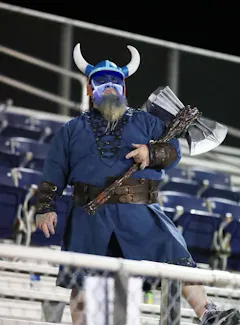
No — this is the most stubborn Viking myth of all. Horned helmets come from 19th-century opera and Romantic-era art, not the Viking Age. Real Norse helmets were practical: a rounded steel or iron cap, sometimes with a nose guard or face protection, made to deflect a blow rather than make a statement. For an accurate kit, skip the horns. Our helmets and armor follow genuine archaeological designs, like the Valsgärde style.
What jewelry did Viking men wear?
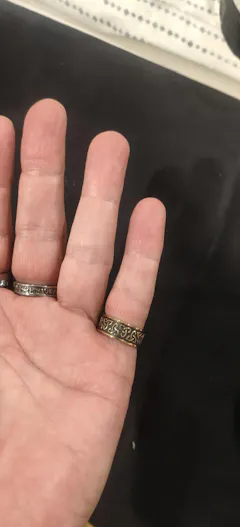
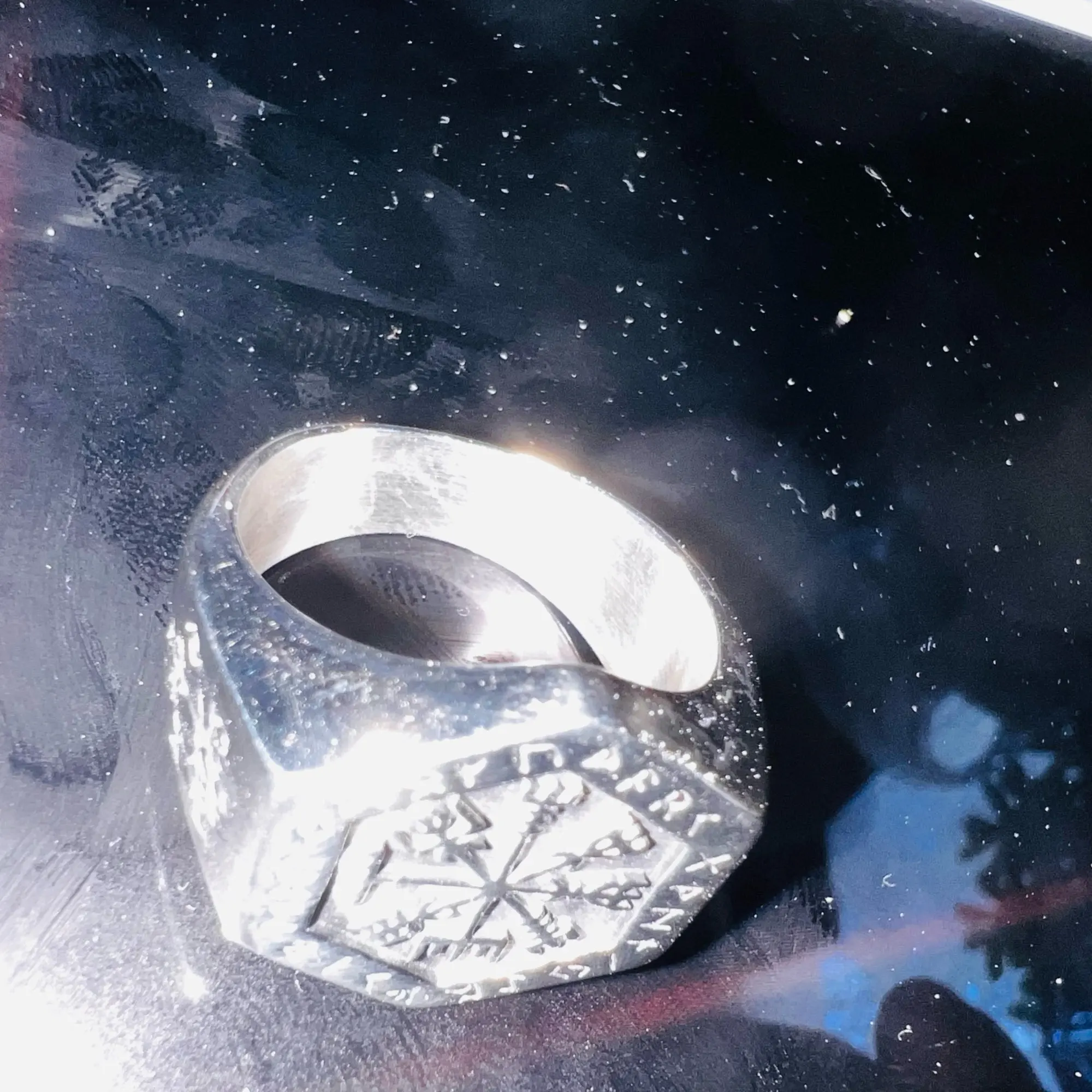
Jewelry carried both status and meaning. Brooches and pins fastened cloaks and were decorative in their own right. Arm rings in silver could double as currency or mark a bond of loyalty. Rings, beads, and pendants — often featuring Mjölnir, the Valknut, or other Norse symbols — rounded out a wealthy man's look. Explore our Viking jewelry to finish your outfit.
What was the Viking belt for?
The belt was one of the most practical items a Viking owned. It gathered the tunic, carried tools, a knife, and pouches, and its quality often reflected the wearer's status. We make ours in thick leather in two styles: a traditional ring belt, and a heftier weapons belt for carrying gear.
What footwear did Vikings wear?
Vikings wore leather shoes and boots fastened with toggles or ties — never going barefoot in that terrain. Designs ranged from simple turn-shoes for everyday wear to sturdier boots for travel and the affluent. Our Viking boots and shoes come in real and faux leather, and pair well with leg wraps for a complete period look.
Did Viking clothing vary by social class?
Yes — dress was a clear marker of standing:
| Social Class |
Clothing Characteristics |
| Nobility |
Rich fabrics, embroidery, dyed colors, and jewelry |
| Warriors |
Functional, durable garments, leather, and chainmail |
| Farmers & tradesmen |
Simple, practical, hard-wearing attire |
If you're building a character for reenactment or LARP, choosing the right tier helps anchor your whole kit.
Did Vikings wear armor as well as clothing?
In battle, yes. Chainmail (a hauberk) was the gold standard but expensive, so many warriors relied on padded or leather protection and a helmet. Armor wasn't everyday wear — it went on over regular clothing when conflict loomed. See our arms and armor for helmets, bracers, and lamellar pieces.